
With summer approaching and lighter evenings are upon us, many families suddenly find themselves with what feels like more time and energy after nursery or school. The longer evenings can be a welcome change after the darker winter months, offering the perfect opportunity for children to spend more time outdoors, burn off energy and enjoy the many benefits of fresh air and active play.
Outdoor play is about far more than simply keeping children busy; it can play a great role in supporting a child’s physical development and co-ordination. It also gives children the chance to explore their surroundings and use their imagination with some valuable downtime away from screens. Whether you’re a busy parent balancing work and family life or a nanny or care-giver, there are some simple and engaging ways you can help children make the most of these extra daylight hours this spring.
Nature Scavenger Hunts
A scavenger hunt is one of the easiest ways to turn a regular walk (or time in the garden) into an adventure. Children can search for signs of spring such as blossoms, dandelions, birds, ladybirds, feathers or - for an extra challenge - something beginning with each letter of the alphabet.
For younger children, picture-based lists work well, while older children may enjoy timed challenges or themed hunts. Regardless of age, this type of activity will stimulate children mentally and keep them physically active as they search.
Both parents and nannies can prepare a simple scavenger list or lay out clues ahead of time to help turn an everyday trip outside into something fun and memorable.
Garden or Balcony Gardening
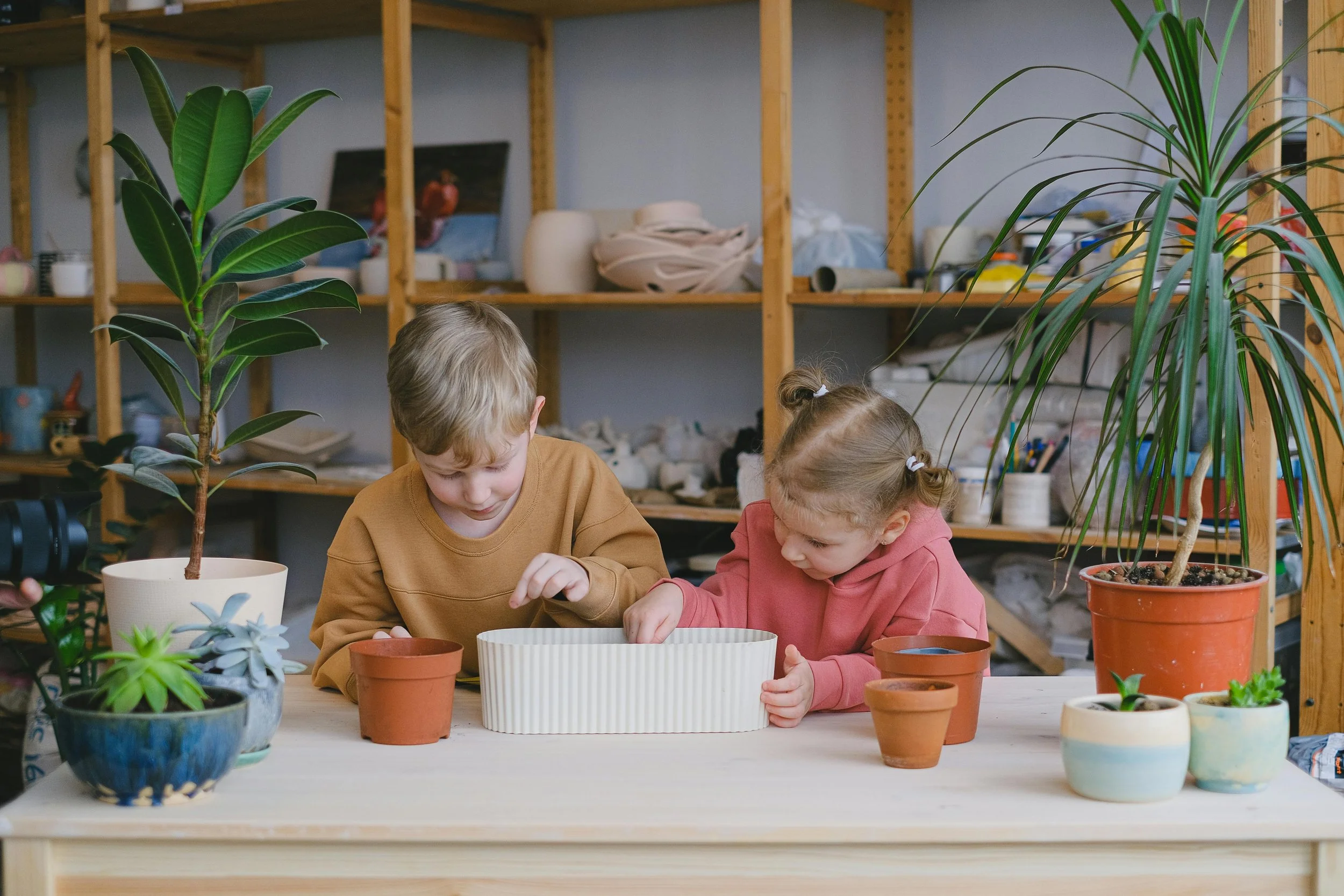
Gardening teaches patience and gives children a sense of responsibility and you don’t need a large garden to introduce children to plants or the joys of gardening. Pots, window boxes or small outdoor spaces can all be used to grow things like herbs, strawberries, sunflowers or tomatoes.
Nannies and parents can support by helping to select the plants, helping children water regularly and creating mini gardening routines throughout the week.
After-School Park Games
Sometimes the simplest games and activities truly are the best. A visit to your local park after school can provide children with an important outlet for play (and an extra dose of vitamin D) after a day of structured learning. Suggested games and activities include the following:
Hide and seek
Relay races
Obstacle courses
Football, rounders or catch
Skipping rope challenges
These games can support gross motor development, teamwork and social skills while helping children release pent-up energy before the end of the day.
Chalk Art and Driveway Games
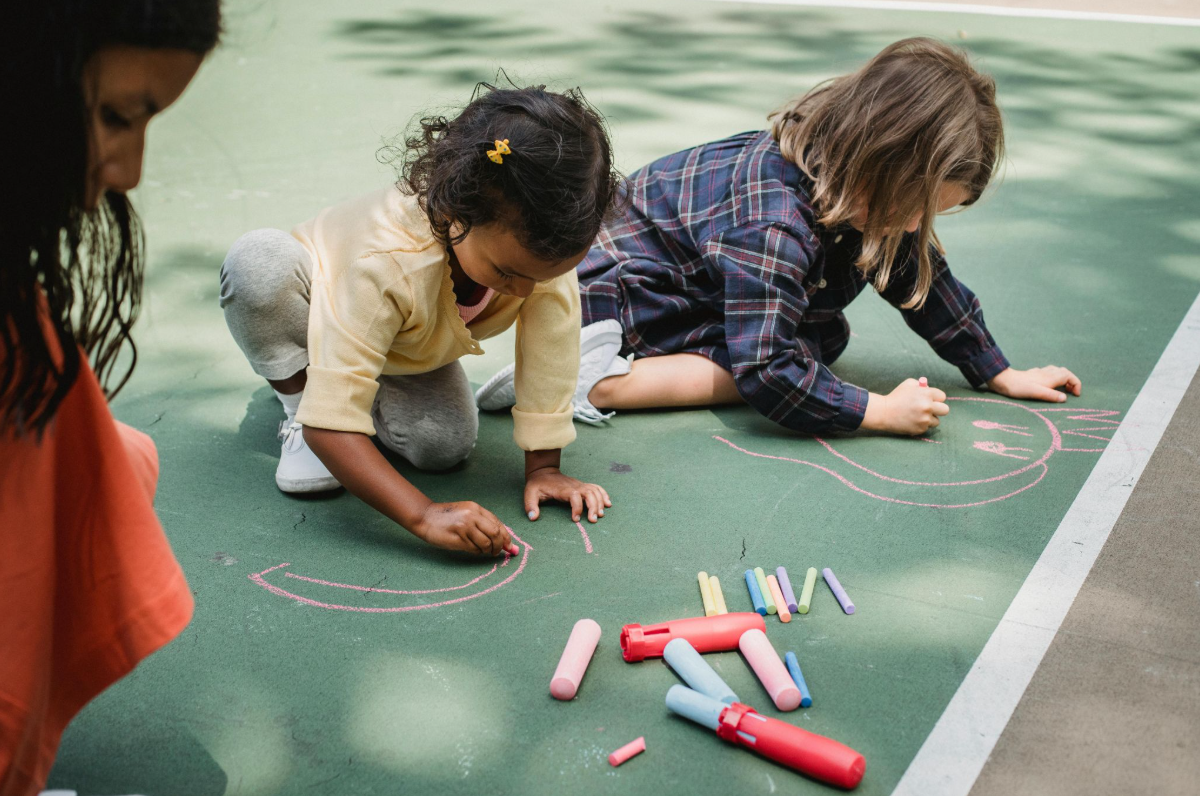
While this may seem like a “retro” activity to some, it can provide endless entertainment if you have access to a patio, pavement or driveway. Children can draw murals, practise writing letters and numbers, create hopscotch courses or design roads for their scooters and toy cars.
This is an excellent low-cost activity that combines creativity with physical movement and can be easily adapted for different age groups.
Family Picnics and Outdoor Suppers
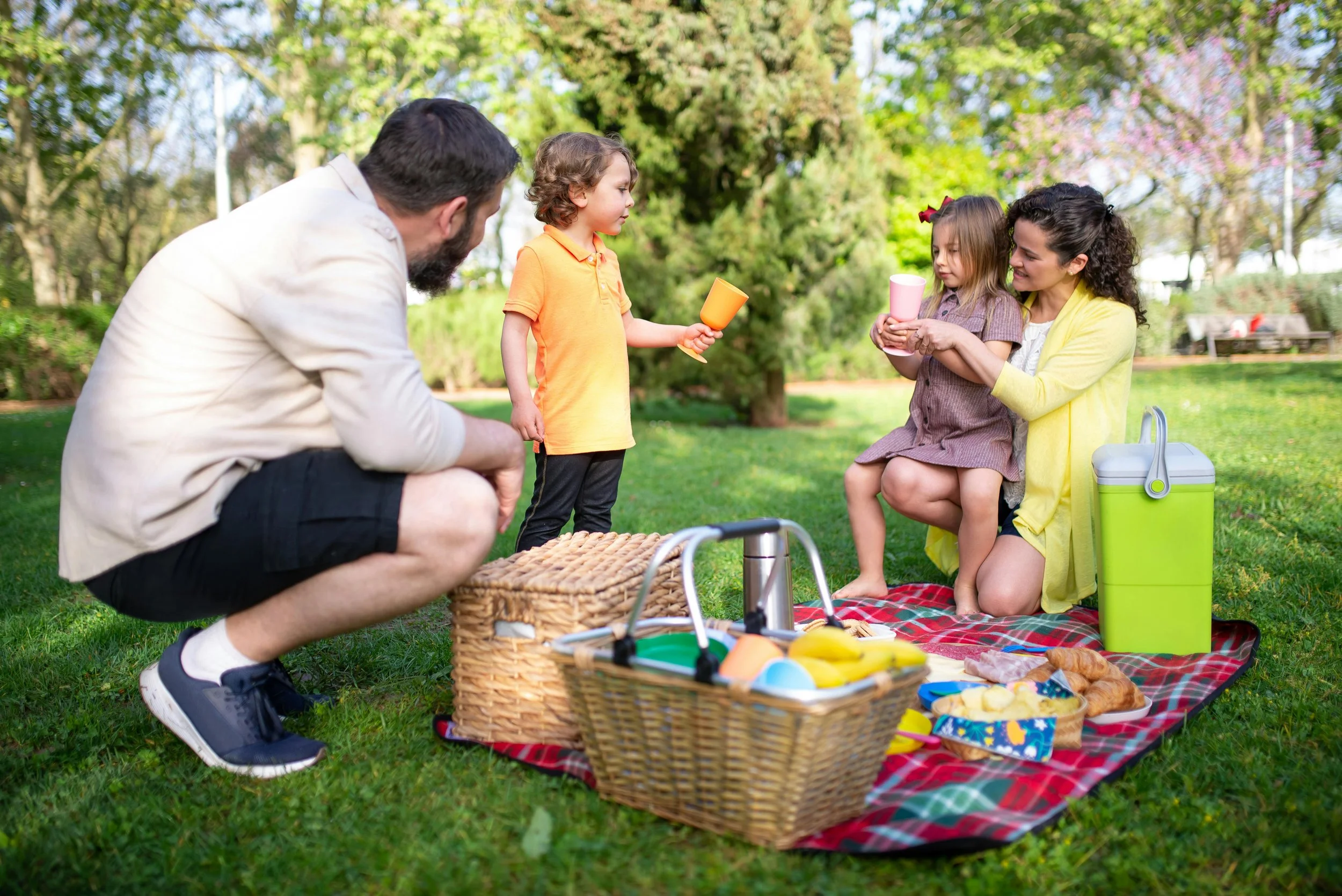
Longer evenings also create opportunities for more relaxed family mealtimes outdoors. A simple picnic in the park, dinner in the garden or snacks on a blanket can feel like an adventure for children without requiring excessive planning.
These moments can often become the memories children cherish most: time together with loved ones, fresh air and a break from their daily routine.
If you have a nanny, they can often help to prepare picnic food or pack essentials to ensure the outing feels easy rather than a mad rush for parents finishing work.
Exploration of the Local Area
Children don’t always need elaborate plans to have fun. Exploring local green spaces, nature trails, woods or nearby lakes and ponds can feel like an exciting quest when approached with enthusiasm.
Activities to consider are:
Listening or looking for wildlife and birds (binoculars optional)
Taking photos of flowers or insects. To reduce screen time, try a disposable camera and encourage children to create a collage of their photos once printed
Creating a written “nature diary” afterwards or using a flower press to dry and preserve plants they’ve collected on the way
How Nannies Can Support Outdoor Play
For many working parents, the post-school window can be one of the busiest parts of the day. Between finishing work, preparing dinner and managing evening routines, it can be difficult to prioritise outdoor time.
This is where nannies and carers can make a real difference. By collecting children from school, helping to organise outdoor activities and allowing children to expend energy before returning home, they create a calmer evening for the whole household.
Nannies can also tailor activities to a child’s age, interests and energy levels, whether that means a peaceful nature walk, an energetic game of football in the park, or a creative gardening session.
However you choose to approach outdoor time, the longer, lighter evenings can offer the perfect opportunity to create fun memories and foster learning and development through outdoor play.